


Managing Menopause Itchy Skin: A Comprehensive Guide to Relief and Restoration

Last Tuesday, Sarah woke at 3 a.m. with her skin prickling in a sensation so vivid it felt as though tiny insects were moving just beneath the surface. This "creepy-crawly" feeling, known clinically as formication, is a hallmark of menopause itchy skin that often leaves women scouring their bedsheets for allergens or switching laundry detergents in a frustrated search for relief. It's an exhausting cycle, especially when the irritation seems to have appeared out of nowhere.
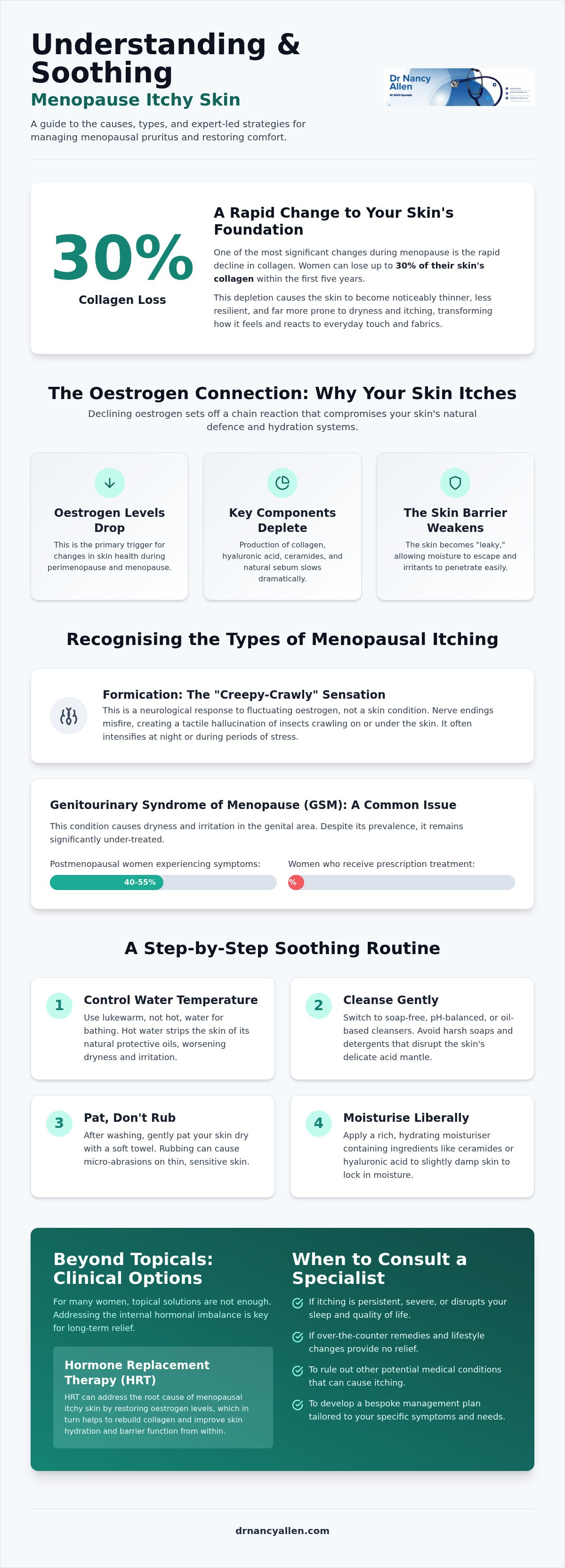
If you're feeling overwhelmed by this persistent discomfort, you aren't alone. Itchiness is a remarkably common symptom, often linked to the fact that women can lose up to 30% of their skin's collagen in the first five years of menopause. This guide will help you understand the root causes of these changes and provides an expert-led, step-by-step programme to restore your comfort and hydration. We'll examine why oestrogen depletion triggers these sensations, share a practical daily routine to soothe your skin, and explain when it's appropriate to seek specialist medical intervention to regain your quality of life.
Table of Contents
Why Does Menopause Cause Itchy Skin? Understanding the Oestrogen Connection
Many women find that menopause itchy skin isn't just a surface-level annoyance; it's a profound change in how their body interacts with the environment. Menopausal pruritus is fundamentally a systemic response to hormonal decline rather than a simple dermatological issue. As oestrogen levels drop, the skin's "acid mantle", the protective, slightly acidic layer on the surface, shifts towards a more alkaline state. This biochemical transition compromises your natural defences, making the skin far more susceptible to environmental irritants and persistent, prickly discomfort.
To better understand the biological reasons behind these changes, watch this helpful video:
The Science of Oestrogen and Skin Hydration
Oestrogen acts as a primary driver for the production of hyaluronic acid, a natural humectant that allows the skin to retain its youthful plumpness and hydration. During perimenopause, as these hormone levels begin to fluctuate, the skin's ability to hold onto water is severely compromised. This is often why "normal" moisturisers feel entirely insufficient; they are attempting to hydrate a surface that has lost its internal support system. Without adequate oestrogen, the production of ceramides and natural sebum also slows down. These lipids act as the "mortar" between your skin cells. When they deplete, the skin barrier becomes "leaky," allowing moisture to evaporate rapidly whilst letting irritants penetrate deeper into the dermis.
Collagen Depletion and Skin Thinning
The structural integrity of your skin is heavily dependent on collagen, yet research indicates that women lose approximately 30% of their skin's collagen in the first five years of menopause. This rapid depletion causes the skin to become significantly thinner, drier, and less resilient to physical stress. These physical symptoms of menopause transform the way you experience touch and clothing. Fabrics that were once comfortable may now feel abrasive, and standard laundry detergents can trigger a flare-up of itching. This increased sensitivity isn't "all in your head." It's a physiological reality of skin thinning that underscores the deep connection between your hormonal health and your external comfort. Addressing the itch requires moving beyond simple lotions to a strategy that acknowledges this systemic hormonal shift.
Recognising the Different Types of Menopausal Itching
Identifying the specific nature of your discomfort is the first step toward effective relief. Not all menopause itchy skin feels the same, and categorising these sensations helps in choosing the right clinical or lifestyle approach. When managing menopause symptoms, it's helpful to distinguish between generalised pruritus, which is a widespread itching often without a visible rash, and more localised concerns. For many, the genital area becomes particularly susceptible to dryness and irritation, a condition known as Genitourinary Syndrome of Menopause (GSM). Statistics suggest that whilst 40-55% of postmenopausal women experience these symptoms, only about 7% receive prescription treatment, often because they mistake the itch for a recurring allergy or infection.
Formication: The "Creepy-Crawly" Sensation
Formication is perhaps the most distressing variant of menopausal itching. It's a specific type of tactile hallucination where you feel as though insects are crawling across or under your skin. This isn't a dermatological condition in the traditional sense; rather, it's a neurological response to fluctuating oestrogen levels. Oestrogen plays a role in regulating the peripheral nervous system, and as levels drop, nerve endings can misfire, sending "false" signals to the brain. These sensations often intensify at night when there are fewer distractions, or during periods of high stress, leading to significant sleep disruption and anxiety. Differentiating this from a standard skin rash is vital, as the solution often lies in hormonal stabilisation rather than topical antihistamines.
Sensory Sensitivity and the ADHD Overlap
There's a significant, often overlooked connection between neurodiversity and how hormonal changes are experienced. Women with ADHD frequently report higher levels of sensory processing sensitivity. What might be a mild, ignorable itch for one person can feel intrusive, painful, or even overwhelming for a neurodivergent woman. During menopause, the drop in oestrogen further impacts dopamine levels, which can exacerbate ADHD symptoms and make sensory issues feel far more acute.
For those seeking clarity on how their brain processes these inputs, an adult adhd assessment can provide essential context for why certain physical sensations feel so debilitating. Managing this overlap requires a "sensory-friendly" approach to skin health, such as:
Prioritising seamless, natural fibre clothing like silk or organic cotton.
Using "tagless" garments to reduce constant tactile irritation.
Implementing environment controls, such as humidifiers, to maintain a stable moisture level.
Understanding your unique sensory profile is as important as treating the hormonal root cause. A personalised menopause specialist consultation can help you navigate these complexities and find a path to comfort that respects both your hormonal and neurological needs.
How to Manage Menopause Itchy Skin: A Step-by-Step Routine
Restoring comfort to menopause itchy skin requires a shift from reactive scratching to a proactive, clinical skincare methodology. Because your skin is physically thinner and less resilient, standard high-street products often fail to provide lasting relief. A structured routine focuses on preserving the integrity of the skin barrier whilst replenishing the hydration lost to hormonal shifts. Hot water is the enemy. Whilst a steaming bath might offer temporary relaxation, the high temperature actively dissolves the few remaining lipids that keep your skin barrier intact. Switching to tepid water is your first, and perhaps most vital, step in preventing post-wash irritation.
The Menopause-Friendly Bathing Routine
Step two of your restorative programme involves a complete audit of your cleansing products. Many traditional soaps contain Sodium Lauryl Sulphate (SLS), a harsh surfactant that disrupts the skin's delicate pH and strips away protective ceramides. Instead, choose oil-based or non-foaming cleansers that leave a nourishing film on the skin surface. For immediate relief during a flare-up, colloidal oatmeal baths are an evidence-based solution; the finely ground oats contain avenanthramides that act as potent anti-inflammatories. When you finish bathing, avoid the temptation to rub your skin dry with a coarse towel. Instead, gently pat the skin until it is only slightly dry, as this prevents mechanical irritation and prepares the surface for the next stage of care.
Layering Skincare for Long-Term Relief
The "Damp Skin" Rule is the third essential step. You have a narrow window of roughly three minutes after bathing to apply your emollients. Applying creams to damp skin traps existing moisture and significantly improves the absorption of active ingredients. To truly repair the barrier, look for a "triple-threat" of ingredients in your lotions:
Humectants: Ingredients like hyaluronic acid or urea that pull water into the skin.
Emollients: Such as ceramides that fill the gaps between skin cells to smooth the surface.
Occlusives: Richer lipids that create a physical seal to prevent water loss.
Step four is about targeted barrier repair. Niacinamide is particularly effective for menopausal skin as it stimulates natural ceramide production and reduces redness. As night-time pruritus often disrupts sleep, choosing a richer, fragrance-free night cream is essential. Hypoallergenic labels are more important than ever during this transition, as the skin's increased sensitivity means even long-time favourite scents can suddenly become irritants. This systematic layering ensures your menopause itchy skin receives both immediate soothing and the long-term structural support it needs to stay hydrated.
Beyond Topicals: Clinical Treatments and Lifestyle Strategies
Whilst topical creams offer a temporary reprieve, managing menopause itchy skin effectively often necessitates looking beneath the surface. One frequently ignored mechanism is the complex relationship between oestrogen and histamine. Oestrogen helps regulate mast cells, which are responsible for releasing histamine in the body. When oestrogen levels become unstable during the menopausal transition, these cells can become over-reactive. This results in a "pseudo-allergic" response where you experience intense itching or hives despite no new environmental triggers. For many women, exploring a low-histamine diet or using targeted antihistamines provides the clarity and relief that standard moisturisers cannot.
The Role of HRT in Skin Health
Hormone Replacement Therapy (HRT) is often the most effective clinical intervention for restoring the skin's structural integrity. By replenishing systemic oestrogen, HRT stimulates fibroblasts to produce collagen and hyaluronic acid once more, effectively reversing some of the skin thinning discussed in previous sections. Improvement isn't instant. Most women notice a reduction in pruritus and an increase in skin suppleness within three to six months of starting a tailored regime. Whether you use patches, gels, or sprays, systemic therapy addresses the hormonal root cause rather than just the surface-level symptoms. It's essential to consult a specialist to tailor your HRT dosage to your specific symptom profile, ensuring both your skin and overall hormonal health are supported.
Dietary and Lifestyle Adjustments
Supporting your skin from within involves more than just drinking water, although maintaining hydration is a baseline requirement. Incorporating high levels of Omega-3 fatty acids, found in oily fish, walnuts, or flaxseed, helps rebuild the lipid barrier from the inside out and improves elasticity amongst the hormonal transition. It's also worth examining common dietary triggers. Alcohol and caffeine act as diuretics and can exacerbate skin dehydration, whilst high-sugar foods may fuel systemic inflammation that worsens the itch.
Managing stress is equally vital for skin comfort. High cortisol levels can trigger inflammatory skin responses, making existing sensations feel more acute and harder to ignore. Your choice of clothing also plays a role; natural fibres like cotton and silk allow the skin to breathe and don't trap heat, unlike synthetic polyesters which can provoke a "prickly heat" sensation. If you're struggling to balance these symptoms, you can book a specialist menopause consultation to explore a bespoke clinical plan that restores your skin health and quality of life.
When to Consult a Menopause Specialist
Whilst many women find relief through the restorative routines and lifestyle adjustments discussed, it's vital to recognise when menopause itchy skin requires a more formal clinical assessment. If your itching is accompanied by red-flag signs like jaundice (yellowing of the eyes or skin), unexplained weight loss, or drenching night sweats, these may indicate underlying conditions that require immediate investigation. Additionally, if the irritation is so severe that it consistently prevents sleep or leads to broken, infected skin from scratching, a "wait and see" approach is no longer appropriate. Reclaiming your quality of life starts with validating that these symptoms are not merely "part of getting older" but are medical concerns that deserve expert attention.
Preparing for Your Consultation
Effective menopause care is a collaborative process. Before your appointment, try to document your symptoms for at least two weeks. Note the time of day when the itch is most intense, any specific triggers like heat or stress, and how it responds to the topical treatments you've already tried. You might ask your specialist whether your current hormone profile is optimal for skin health or if newer non-hormonal options might be suitable if HRT isn't an option for you. A holistic approach doesn't just look at the skin; it considers your sleep, mood, and overall wellbeing to create a management plan that actually fits your life. This level of personalisation is what differentiates specialist care from a standard one-size-fits-all prescription.
The Path Forward with Dr Nancy Allen
Navigating the complexities of hormonal health can feel isolating, especially when symptoms like formication are misunderstood or dismissed. Choosing a private assessment offers a faster path to clarity and treatment in an environment where your experience is heard and respected. Online consultations provide a secure and comfortable space to discuss sensitive symptoms from your own home, removing the stress of travel and clinical waiting rooms. This modern approach is particularly beneficial for busy women who need flexible access to specialist expertise without the traditional barriers of geographic location.
Dr Nancy Allen brings over 25 years of clinical experience to every patient journey, ensuring that your care is evidence-based and deeply empathetic. It's time to stop enduring the discomfort and start a programme designed specifically for your needs. You don't have to manage these changes alone. Book a menopause specialist consultation to reclaim your comfort and restore your skin health today.
Restoring Your Comfort and Confidence
Managing menopause itchy skin requires a shift from superficial fixes to a clinical strategy that respects your body's biological transition. By understanding the link between oestrogen depletion and skin barrier health, you can move beyond the frustration of persistent irritation and "creepy-crawly" sensations. Whether you're refining your daily skincare routine or exploring the systemic benefits of HRT, the goal is to restore the hydration and resilience your skin deserves. You don't have to navigate these sensory changes alone or settle for fragmented advice that fails to address the hormonal root cause.
If you're ready for a bespoke approach, you can book a private menopause consultation with Dr Nancy Allen. Dr Allen provides compassionate, evidence-based care with a specific expertise in the intersection of ADHD and hormonal health. You can expect a diagnosis and a personalised management plan within 72 hours, ensuring you don't spend another night struggling with avoidable discomfort. It's possible to feel at home in your skin again; taking that first step toward specialist support is the key to lasting restoration and peace of mind.
Frequently Asked Questions
Is itchy skin a common sign of perimenopause?
Yes, itchy skin is a very common indicator that your body is entering perimenopause. As oestrogen levels begin to fluctuate, the skin's ability to retain moisture and produce collagen decreases, leading to dryness and irritation. Many women report these changes long before their periods actually stop, making menopause itchy skin one of the earliest physical signals of the hormonal transition.
What is formication and why does it feel like bugs crawling on me?
Formication is a specific type of sensory sensation where you feel as though insects are crawling across or underneath your skin. It occurs because declining oestrogen levels affect the peripheral nervous system, causing nerve endings to misfire. Whilst it feels incredibly realistic and can be distressing, it's a neurological response to hormonal shifts rather than a dermatological infestation or an allergy.
Can HRT help with menopausal itchy skin?
Hormone Replacement Therapy (HRT) is often highly effective because it addresses the systemic cause of the irritation. By replenishing oestrogen, HRT helps restore skin thickness and stimulates the production of natural oils and hyaluronic acid. Most patients see a significant improvement in their skin's resilience and a reduction in menopause itchy skin within a few months of beginning a personalised treatment plan.
Why does my menopause itching get worse at night?
Itching often feels more intense at night due to a combination of physiological and environmental factors. Your body's natural anti-inflammatory cortisol levels are lowest in the evening, whilst changes in body temperature can trigger skin sensitivity. The lack of daytime distractions also makes you more aware of the "creepy-crawly" sensations, which can lead to a cycle of scratching and disrupted sleep.
Are there specific foods that help with menopausal skin dryness?
Yes, your diet plays a supporting role in maintaining skin elasticity. Foods rich in Omega-3 fatty acids, such as salmon, walnuts, and flaxseeds, help strengthen the skin's lipid barrier from within. Staying hydrated is essential, but you should also focus on phytoestrogen-rich foods like soy and chickpeas, which may mildly support hormonal balance and help retain skin moisture during this transition.
How can I tell the difference between menopause itching and an allergy?
Allergic reactions typically present with a visible rash, hives, or swelling and usually occur shortly after contact with a specific trigger. In contrast, menopausal itching is often "invisible," meaning the skin looks normal despite the intense discomfort. If your itching is widespread, feels like prickling or crawling, and doesn't respond to standard antihistamines, it is likely related to your hormonal health.
What ingredients should I look for in a menopause-friendly moisturiser?
Look for products containing ceramides, which help rebuild the skin's protective barrier, and humectants like hyaluronic acid or glycerin to draw in moisture. Ingredients such as urea are excellent for hydrating dry patches, whilst niacinamide helps soothe redness and improve texture. Always opt for fragrance-free and hypoallergenic formulations to avoid irritating your increasingly sensitive and thinning skin.
Does menopausal itchy skin ever go away on its own?
Whilst some symptoms settle as your body reaches a new hormonal equilibrium post-menopause, skin dryness and thinning can persist or even worsen without intervention. Because collagen loss is permanent once it occurs, waiting for the symptom to "pass" often leads to years of unnecessary discomfort. Seeking specialist advice early allows you to manage the transition proactively and maintain your skin's health.


Comments