


ADHD Stimulants and Heart Health: A Patient's Safety Guide

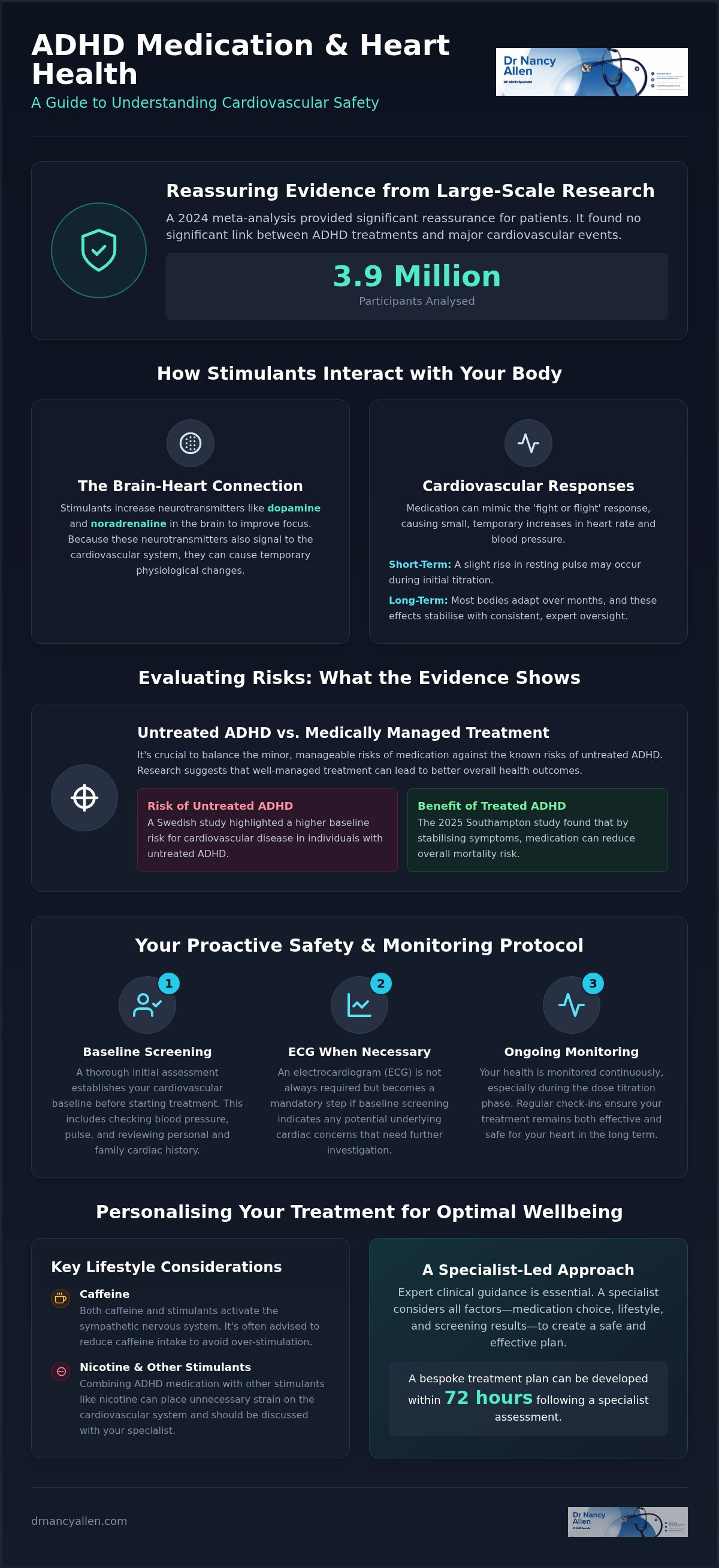
Did you know that a 2024 meta-analysis involving over 3.9 million participants found no significant association between ADHD treatments and the risk of major cardiovascular events? It's completely natural to feel a wave of anxiety when you encounter conflicting headlines or wonder about the relationship between stimulant medication and your heart. You're seeking the clarity that treatment provides, but you don't want to compromise your long-term wellbeing in the process.
This guide will help you understand the clinical reality of your treatment, moving past the noise of sensationalist reports to focus on evidence-based facts and specialist safety protocols. We'll explore the latest research from 2026, explain how your cardiovascular health is proactively monitored during your journey, and identify the specific signs that mean you should seek medical advice. By grounding your treatment in expert clinical care, you can restore your confidence and focus on the quality of life you deserve.
Table of Contents
How Stimulant Medications Interact with Your Cardiovascular System
Evaluating the Risks: What Recent Research Reveals About ADHD Meds
The Importance of Clinical Screening and Cardiovascular Monitoring
Personalising Your Treatment: Balancing Benefits with Heart Health
Expert ADHD Management with Dr Nancy Allen: A Patient-Centred Approach
How Stimulant Medications Interact with Your Cardiovascular System
Stimulant medications such as Methylphenidate and Lisdexamfetamine are sophisticated tools designed to fine-tune the brain's internal communication system. By increasing the concentration of dopamine and noradrenaline in the synaptic cleft, these treatments help improve focus, reduce impulsivity, and support emotional regulation. To understand How Stimulant Medications Work, it's helpful to see them as agents that support the central nervous system. However, because our biological systems are deeply interconnected, these changes don't just stay within the brain's pathways.
When you consider the relationship between stimulant medication and your heart, it's vital to recognise that these drugs mimic the sympathetic nervous system. This is the part of your biology responsible for the 'fight or flight' response. Whilst the medication is active in your bloodstream, it can cause subtle shifts in how your heart and blood vessels behave. These effects are usually temporary and occur primarily when the medication reaches its peak concentration, typically a few hours after ingestion.
To better understand this physiological connection and the associated risks, watch this helpful video:
The Role of Adrenaline and Noradrenaline
Stimulants function by increasing the availability of noradrenaline and adrenaline. These neurotransmitters act as chemical messengers, sending signals to the heart muscle to contract with slightly more force and to the blood vessels to narrow. This process, known as vasoconstriction, can lead to a modest increase in blood pressure. For the vast majority of patients, these physiological changes are minor. Clinical data suggests that whilst blood pressure might rise by a few millimetres of mercury, these shifts typically remain within a range that specialists consider clinically insignificant for a healthy individual.
Short-term vs Long-term Cardiovascular Responses
During the initial titration phase, you might notice a slight rise in your resting pulse. This is often the period where patients feel the most anxiety, perhaps experiencing what feels like a racing heart or palpitations. It's important to distinguish this subjective sensation from clinical tachycardia, which is a sustained heart rate over 100 beats per minute. Most bodies adapt to the new chemical environment over several months. As your system finds its equilibrium, these initial "kick-in" effects usually stabilise. This adaptation ensures that the long-term benefits of improved focus are not overshadowed by persistent cardiovascular strain, provided there is expert oversight.
Evaluating the Risks: What Recent Research Reveals About ADHD Meds
Navigating the landscape of clinical research can feel overwhelming, yet the latest data provides significant reassurance for those concerned about stimulant medication and your heart. Modern studies have moved beyond short-term observations to look at how these treatments affect patients over years of use. This evidence-based perspective allows clinicians to move away from generalisations and toward personalised safety profiles that prioritise long-term wellbeing.
The 2025 Southampton Study Findings
A landmark 2025 study from the University of Southampton has provided a vital cornerstone for patient safety. The researchers concluded that for the majority of individuals, the cardiovascular impact of ADHD medication remains small and clinically manageable. Perhaps the most striking finding was the association between treated ADHD and a reduction in overall mortality risk. By stabilising the core symptoms of ADHD, medication often helps patients avoid the high-stress lifestyle factors that traditionally strain the heart. This suggests that the key takeaway for clinicians is not to avoid medication, but to ensure that careful, consistent monitoring is part of the standard of care.
ADHD and Baseline Cardiovascular Risk
It is equally important to recognise that ADHD itself can pose a risk to your heart health. A significant Swedish study indicated that individuals with ADHD often have a higher baseline risk for cardiovascular disease compared to the general population. This isn't necessarily due to genetics, but rather the secondary effects of untreated symptoms. Chronic stress, irregular sleep patterns, and impulsive dietary choices all contribute to systemic inflammation and heart strain. Recent Research on Heart Safety supports the idea that for many, the benefits of medication actually improve heart-healthy behaviours by reducing the chaos and impulsivity of daily life.
For certain groups, such as older adults or those with pre-existing hypertension, the risk-benefit ratio requires a more delicate balance. Whilst the absolute risk remains low, specialist oversight ensures that any blood pressure changes are caught early and managed effectively. If you are concerned about how your personal history might interact with treatment, seeking a specialist ADHD assessment can provide the clinical clarity you need to move forward with confidence.
The Importance of Clinical Screening and Cardiovascular Monitoring
Safety in ADHD treatment is built on a foundation of proactive clinical oversight. When we discuss stimulant medication and your heart, we aren't just talking about abstract risks; we're talking about a structured safety net designed to protect your physical health whilst you achieve mental clarity. This process begins long before the first prescription is written. It's a collaborative journey where your physical baselines are as important as your cognitive symptoms.
Baseline Health Assessments
A thorough adult adhd assessment is more than a diagnostic interview; it's a comprehensive health screening. We look deeply into your personal and family history, specifically searching for any instances of arrhythmias or sudden cardiac death. This isn't intended to cause alarm, but to identify those rare cases where extra caution is needed. Accurate physical baselines are established by measuring your resting heart rate and blood pressure across multiple readings to ensure we have a stable starting point.
Whilst universal ECG (Electrocardiogram) screening isn't always mandatory for every healthy adult, it becomes an essential requirement if your history or initial physical checks suggest any cardiovascular vulnerability. Following established Cardiovascular Monitoring Guidelines ensures that every patient starts their journey from a position of known safety. These checks allow us to personalise your care plan with precision.
The Titration Phase: Finding the Safe Window
The "start low, go slow" philosophy is the gold standard in private practice. Titration is a delicate process of escalating the dose gradually over several weeks. This methodical approach allows your body to adapt to the medication whilst we monitor for any adverse responses. Regular feedback during this phase is vital. It isn't just about efficacy; it's about finding the "sweet spot" where your focus improves without causing unnecessary cardiovascular over-stimulation or sustained increases in pulse rate.
Safety doesn't end once the titration phase is complete. Long-term treatment requires a consistent monitoring schedule, typically involving blood pressure and pulse checks every three to six months. This ongoing vigilance ensures that the relationship between stimulant medication and your heart remains healthy as you age or as your lifestyle changes. By maintaining this professional oversight, you can enjoy the transformative benefits of treatment with the peace of mind that your heart health is being actively prioritised.
Personalising Your Treatment: Balancing Benefits with Heart Health
Every patient's journey with ADHD is unique, requiring a treatment plan that respects their specific physiology. Whilst the clinical data regarding stimulant medication and your heart is largely reassuring, the most successful outcomes are achieved through a personalised approach. This means looking beyond the diagnosis to consider your lifestyle, hormonal health, and how your body responds to different chemical compounds. By tailoring the intervention, we ensure that the focus you gain doesn't come at the cost of your physical comfort.
Stimulants vs Non-Stimulants
Whilst stimulants are often the first line of treatment due to their rapid efficacy, they aren't the only path available. For individuals with pre-existing hypertension or a history of arrhythmias, non-stimulant options like Atomoxetine or Guanfacine provide a heart-friendlier alternative. These medications work differently, often taking longer to build up in the system but offering a more stable cardiovascular profile. A clinician might pivot away from stimulants entirely if blood pressure remains consistently elevated despite dose adjustments. Choosing between these options involves weighing the rapid symptom relief of stimulants against the gentler cardiovascular profile of non-stimulant alternatives.
Lifestyle Adjustments for Heart Safety
Your daily habits play a significant role in how you tolerate treatment. Caffeine and nicotine are both stimulants that can have a synergistic effect with your medication, potentially leading to an uncomfortably high heart rate. Reducing your intake of these substances often allows for a smoother experience with stimulant medication and your heart. Conversely, regular cardiovascular exercise can strengthen the heart muscle and improve your body's ability to manage the medication's physiological effects. Staying well-hydrated and practising consistent stress management also help in maintaining stable blood pressure readings.
It's also essential to consider the impact of life stages, particularly for women. Perimenopause and menopause can significantly alter how the body responds to ADHD treatment. As oestrogen levels fluctuate, you might find yourself more sensitive to the side effects of stimulants or notice that your medication feels less effective. Specialist care that understands this hormonal overlap ensures your dosage remains effective without placing undue strain on your cardiovascular system.
Whilst most side effects are mild, you must be aware of 'Red Flag' symptoms. If you experience chest pain, shortness of breath, or unexplained fainting, you should pause your medication and seek immediate medical advice. These symptoms are rare, but they require professional assessment to ensure your continued safety. If you're unsure which treatment path is right for your heart health, book a specialist ADHD assessment to receive a personalised, evidence-based plan that prioritises your long-term wellbeing.
Expert ADHD Management with Dr Nancy Allen: A Patient-Centred Approach
Choosing to seek a diagnosis is a significant step toward reclaiming your focus and quality of life. At the heart of Dr Nancy Allen's practice is a philosophy of "compassionate clinical authority." This approach ensures that whilst you receive the highest level of evidence-based care, you also feel deeply heard and validated in your personal experience. With over 25 years of clinical experience, Dr Allen understands that the relationship between stimulant medication and your heart is not just a clinical statistic; it is a personal concern that requires a steady, expert hand.
The traditional routes to diagnosis can often be fraught with long waiting lists and impersonal assessments. In contrast, Dr Allen's private practice prioritises your need for clarity. From the initial consultation to the delivery of your bespoke treatment plan, the entire journey is designed to be completed within 72 hours. This rapid turnaround does not compromise on thoroughness. Instead, it reflects a dedicated focus on providing timely support for those who have lived with the challenges of ADHD for too long. By offering secure online consultations, Dr Allen provides this specialist care to patients across the UK, ensuring that expert guidance is accessible regardless of your location.
A Holistic View of Neurodiversity
Effective ADHD management requires treating the whole person rather than just a collection of symptoms. This holistic perspective is particularly vital when managing the complex interplay between neurodiversity and hormonal health. Dr Allen is a specialist in the overlap between ADHD and menopause symptoms, recognising that hormonal shifts can significantly influence medication sensitivity and cardiovascular responses. Having a specialist GP who understands these nuances ensures that your treatment plan is robust, safe, and tailored to your specific life stage.
Clinical rigour is the foundation of this practice. Every assessment is exhaustive, moving beyond generic checklists to understand your unique physiological and psychological landscape. This thoroughness is what allows for the confident management of stimulant medication and your heart, providing you with a safety net that generic advice simply cannot offer. It is about restoring your confidence through professional insight and a collaborative relationship that puts your wellbeing first.
Your Next Steps to Clarity
Taking the next step is straightforward and designed to reduce the anxiety often associated with seeking medical help. Whether you are seeking an adult ADHD assessment for yourself or a child ADHD assessment for your family, the process begins with a thorough consultation. You can expect a bespoke treatment planning process that considers every aspect of your health, from your cardiovascular baselines to your long-term goals. Every decision is made with transparency, ensuring you are a fully informed partner in your care.
The path to a more organised and focused life is within reach. You don't have to navigate the complexities of medication safety alone; you can rely on the guidance of a seasoned professional who prioritises both your mental clarity and your physical health. Book your private ADHD assessment with Dr Nancy Allen today.
Moving Forward with Clarity and Safety
Understanding the clinical relationship between stimulant medication and your heart is the first step toward a safer, more focused life. As we've explored, the latest large-scale research provides significant reassurance that, for the vast majority of patients, these treatments are safe when managed with professional vigilance. By combining thorough baseline screenings with a methodical titration process, you can achieve the cognitive benefits you need without compromising your cardiovascular health.
Dr Nancy Allen brings over 25 years of clinical experience to every consultation, offering a unique speciality in the overlap between ADHD and hormonal health. Whether you're navigating the complexities of menopause or seeking a rapid diagnosis, you can receive a comprehensive assessment and treatment plan in as little as 72 hours. This compassionate, specialist-led approach ensures that your physical wellbeing remains the priority throughout your journey.
Begin your journey to clarity with a private ADHD assessment.
You don't have to choose between your heart health and your mental clarity. With expert guidance and dedicated monitoring, you can move forward with the quiet confidence that your treatment is both effective and safe.
Frequently Asked Questions
Is it safe to take ADHD stimulants if I have a family history of heart disease?
Yes, treatment is often safe, but it requires a more rigorous screening process. A family history of sudden cardiac death or arrhythmias is a significant factor that clinicians assess during your initial consultation. Dr Allen will evaluate these risks and may request additional tests, such as an ECG, to ensure your safety. The goal is to create a bespoke treatment plan that balances your cognitive needs with your underlying cardiovascular profile.
Will ADHD medication cause a permanent increase in my blood pressure?
Clinical evidence suggests that while stimulants can cause a modest, temporary rise in blood pressure, they don't typically cause permanent hypertension in healthy individuals. These changes usually occur whilst the medication is active in your system. Regular monitoring ensures that any persistent elevations are identified early. If blood pressure remains high, your specialist may adjust the dosage, suggest lifestyle changes, or explore non-stimulant alternatives to protect your long-term health.
Can I still drink coffee whilst taking stimulant medication?
You should exercise caution when combining caffeine with your treatment. Both substances stimulate the sympathetic nervous system, which can lead to an uncomfortably high heart rate or increased anxiety. Many patients find that reducing or eliminating coffee, especially during the titration phase, helps stabilise the relationship between stimulant medication and your heart. Once your body has adapted to the medication, you may be able to reintroduce small amounts of caffeine under specialist guidance.
What should I do if I feel heart palpitations after taking my ADHD dose?
If you experience palpitations, you should record when they occur and how long they last before discussing them with your specialist. Occasional palpitations can be a common side effect during the early stages of treatment as your body adjusts. However, if they're accompanied by chest pain, dizziness, or shortness of breath, you must pause your medication and seek immediate medical advice. Your clinician will then help determine if a dose adjustment is necessary.
Do I need an ECG before starting stimulant medication in the UK?
An ECG isn't mandatory for every healthy adult starting treatment in the UK, but it's required if your clinical history suggests a potential risk. During your private assessment, Dr Allen will perform a thorough screening of your personal and family medical history. If any "red flags" are identified, such as a history of fainting or heart murmurs, an ECG will be arranged. This ensures that every patient starts their journey from a position of known safety.
Are non-stimulant ADHD medications safer for the heart?
Non-stimulants like Atomoxetine or Guanfacine are often considered heart-friendlier because they don't mimic the sympathetic nervous system as intensely as stimulants do. They provide a more gradual effect on the brain and generally have a lower impact on heart rate and blood pressure. These are excellent alternatives for patients with pre-existing cardiovascular concerns or those who don't tolerate the physiological effects of stimulant medication and your heart. Your specialist will help you weigh these options.
How often should my heart rate be checked whilst on ADHD medication?
Your heart rate and blood pressure should be checked at every clinical review, which typically occurs every three to six months once you're stable. During the initial titration phase, these checks happen more frequently, often weekly or fortnightly, to monitor your body's immediate response to dose changes. Consistent monitoring is the cornerstone of safe long-term management, allowing your specialist to make data-driven decisions about your ongoing care and overall wellbeing.
Can stimulants cause a heart attack or stroke in healthy adults?
Large-scale studies, including recent meta-analyses, show no significant increase in the risk of heart attack or stroke for healthy adults taking prescribed ADHD medication. While the medication does place a small amount of stress on the cardiovascular system, the absolute risk remains very low. Safety is maintained through expert screening and regular monitoring, which identifies any minor changes before they can escalate into serious health concerns. This proactive approach ensures your treatment remains a tool for health.


Comments